

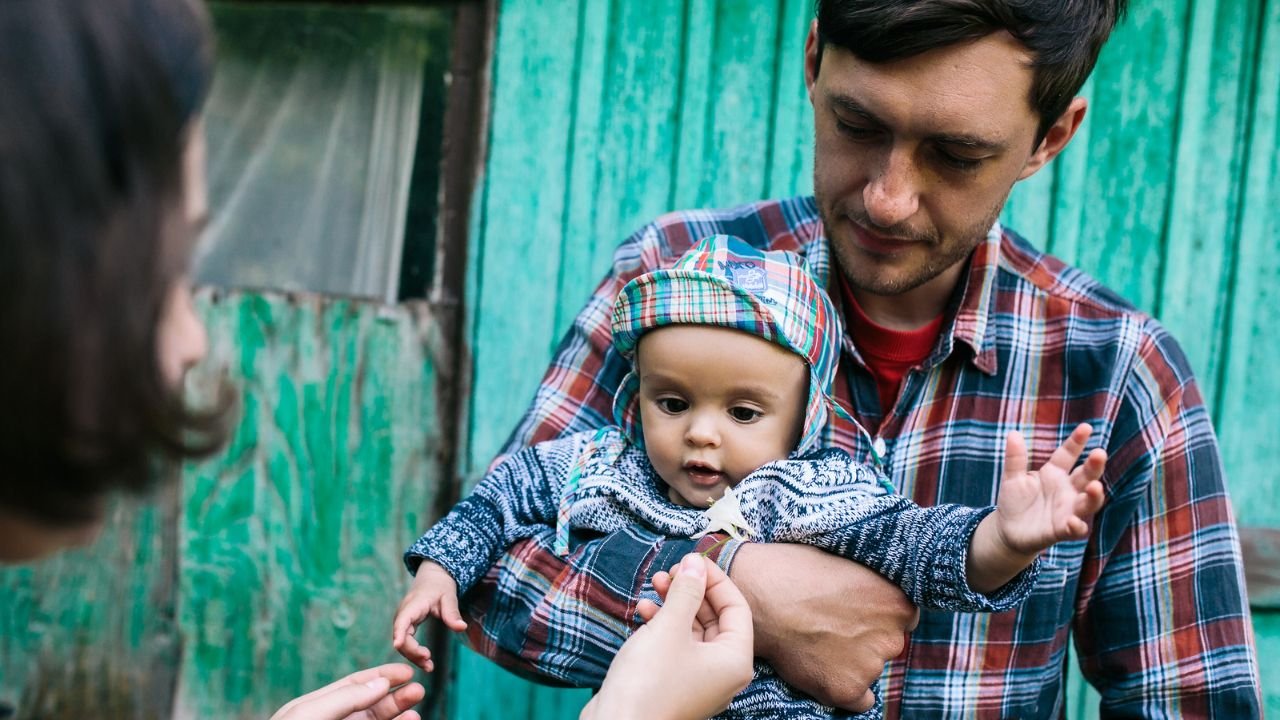
The future of any country depends on the safety, education, and overall development of its children. If children grow up in a safe, healthy, and positive environment, they become responsible citizens. However, the reality is that many children in society face serious problems such as poverty, domestic violence, exploitation, neglect, human trafficking, and mental trauma. In such circumstances, the role of child welfare professionals is not limited to that of a government employee or social worker; rather, they become protectors, guides, and support systems for children.
The field of child welfare is extremely sensitive and complex. Professionals working here must balance legal knowledge, psychological understanding, social awareness, and human sensitivity—all of these qualities. A small negligence can affect a child’s future, while a timely decision can change the course of their life. Therefore, to work in this field, mere degrees or experience are not sufficient; systematic and practical training is essential.
Child Protection and Legal Awareness Training
Professionals working in the child welfare field must first have a deep understanding of child rights and relevant laws. This training includes information on national and international laws related to children, child protection policies, adoption regulations, the Juvenile Justice Act, and child labor laws. When professionals understand the legal framework, they are able to make informed decisions in the best interests of children. This training helps them follow legal procedures and protect children’s rights during case handling.
Trauma-Informed Care Training
Many children experience physical or mental trauma. It is crucial to treat such children with sensitivity and empathy. Trauma-informed care training teaches professionals to understand the pain and experiences behind children’s behavior. This training helps them build trusting relationships with children and help them feel safe. This approach plays a vital role in children’s mental and emotional recovery.
Case Management and Counseling Skills
Child welfare professionals often have to deal with complex cases. Case management training teaches them how to document cases, assess risks, coordinate resources, and conduct regular follow-ups with families. Training in counseling skills enables them to communicate effectively with children and their families. Proper counseling techniques help children express their feelings and find solutions to problems.
Community Engagement and Leadership Training
Child welfare cannot succeed through institutional efforts alone. Community participation is also essential for this. Community engagement training teaches professionals to work closely with local organizations, schools, health services, and volunteer groups. This training also develops leadership skills, enabling them to conduct awareness campaigns and bring about positive change in society.
Ethics and Professional Conduct Training
Confidentiality, honesty, and impartiality are crucial in child welfare work. Ethics training teaches professionals how to make decisions in specific situations. Protecting children’s personal information, maintaining impartiality in sensitive matters, and maintaining professional boundaries are key components of this training.
Continuous Professional Development
Policies and challenges change over time. Therefore, it is essential for child welfare professionals to participate in regular workshops, seminars, and certification programs. Continuous development training familiarizes them with new technologies, digital tools, and modern intervention methods. This can make their work more effective and result-oriented.
Conclusion
Child welfare professionals are among the true protectors of society, constantly striving for a safe future for children. But sensitivity and enthusiasm alone are not enough; proper training empowers them to make informed decisions in complex situations and bring positive change to children’s lives. Understanding child protection laws, a trauma-informed approach, case management skills, community engagement, and the inculcation of ethical values—all these training programs lay the foundation for a strong and capable child welfare system. Only when professionals work with complete preparation and knowledge can we move towards a safer and brighter future.





Leave a Reply